Tales With Taylor
Date 02-03-2026
Episode 57:
Suzette Smith
Healing from the Garden, Fermentation, Food Traditions & Purpose
In this episode of Tales With Taylor. Taylor welcomes Suzette, founder of Garden Goddess Ferments, for a conversation that brings us back to the roots—literally. Growing up in rural Georgia, Suzette learned early the art of cooking straight from the garden.
Listen to this Episode
Suzette shares how discovering fermented foods completely changed her relationship with food, health, and community.
What You’ll Learn in Episode 57
↪ Why whole, simple foods are foundational to wellness
↪ How fermented foods support gut health and overall healing
↪ The powerful traditions behind cultured foods
↪ What it means to serve your community through nourishment
↪ How purpose-driven food can change lives
Our Guest: Suzette Smith

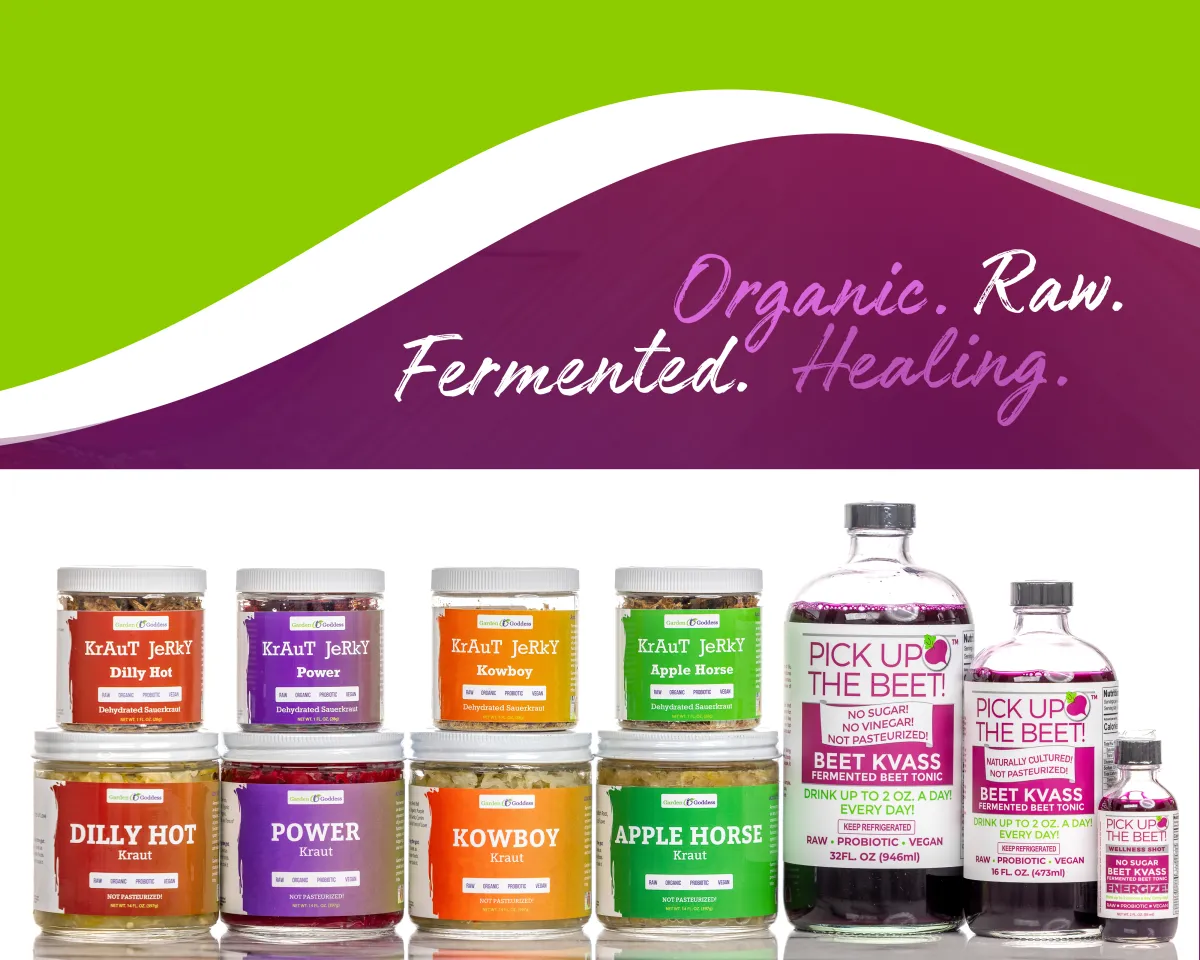
Suzette is the heart and hands behind Garden Goddess Ferments, a mission-driven business focused on creating organic, raw, fermented foods that support gut health and vitality.
Her work is rooted in tradition, intentional living, and a deep desire to help others heal—one jar at a time.
“It truly makes my heart smile to see bright faces and hear how our products have changed a life.” — Suzette
Discover
Social Media Links
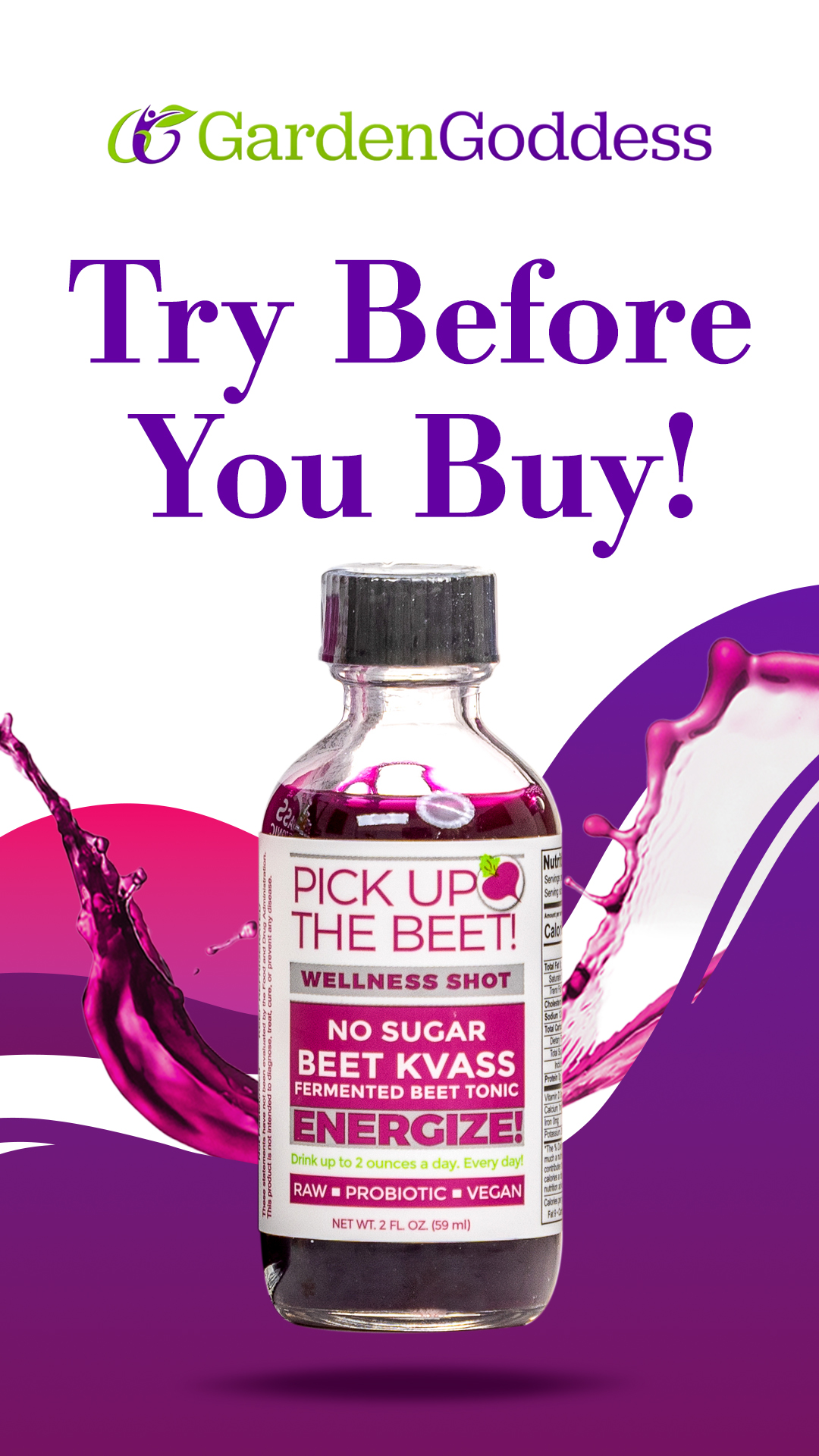
Try Before You Buy
Here are the top 10 reasons to include probiotics in your diet:
1. Improved Digestive Health Probiotics help balance your gut bacteria, which can reduce bloating, gas, and irregular bowel movements. They're particularly helpful for conditions like irritable bowel syndrome (IBS) and can ease digestive discomfort.
2. Stronger Immune Function About 70% of your immune system resides in your gut. Probiotics support immune cell production and help your body fight off harmful pathogens more effectively.
3. Better Nutrient Absorption Beneficial bacteria help break down food and produce certain vitamins (like B vitamins and vitamin K), making nutrients more available for your body to absorb and use.
4. Reduced Inflammation Probiotics can help decrease systemic inflammation throughout your body, which is linked to numerous chronic conditions including heart disease, diabetes, and arthritis.
5. Mental Health Support The gut-brain connection is real. Probiotics may help reduce symptoms of anxiety and depression, as your gut produces neurotransmitters like serotonin that affect mood and mental wellbeing.
6. Weight Management Certain probiotic strains may help with weight loss and reducing belly fat by affecting how your body stores fat and regulating appetite hormones.
7. Antibiotic Recovery Antibiotics kill both harmful and beneficial bacteria. Taking probiotics during and after antibiotic treatment helps restore your healthy gut flora more quickly.
8. Skin Health The gut-skin axis means that gut health affects your complexion. Probiotics may help with conditions like acne, eczema, and rosacea by reducing inflammation and supporting skin barrier function.
9. Heart Health Some probiotics can help lower LDL ("bad") cholesterol and blood pressure by breaking down bile in the gut, potentially reducing your risk of heart disease.
10. Enhanced Vaginal and Urinary Health Probiotics, particularly Lactobacillus strains, help maintain healthy bacterial balance in the urogenital tract, reducing the risk of infections like bacterial vaginosis and urinary tract infections.
Recent Shows
Dennis Meridth
Suzi Freeman
Carmen Payne
Danny Broughton
Shawn Bradford
Ramsey Bergeron












Subscribe & Follow